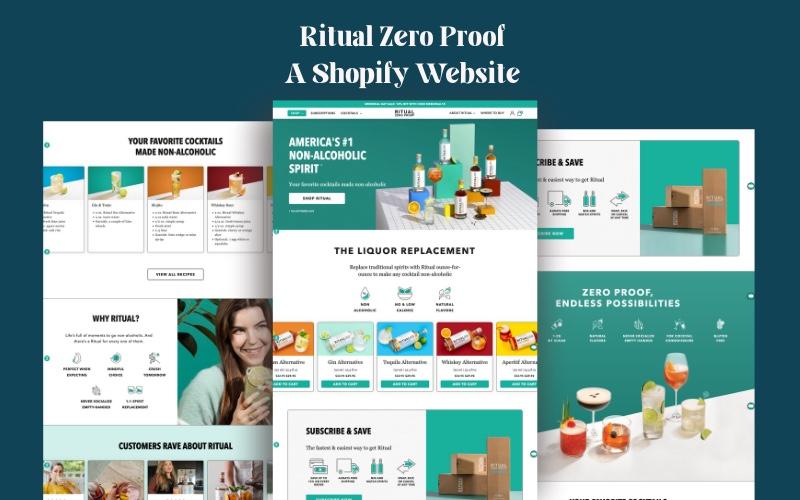
Ritual Zero Proof: doubled sales, bounce rate halved
A flavour-forward storefront with Sip Society subscriptions and interactive taste tours, built to turn first-time tasters into subscribers. Reported: double the sales and half the bounce rate.
City · Shopify automation
Shopify automation for Brooklyn makers and small-batch brands that outgrow spreadsheets.
Overview
Many Brooklyn brands begin as a studio or workshop and grow into a business with a real online store before the systems behind it have grown with it. I help Brooklyn Shopify makers replace the daily spreadsheet routine with automation, so the founder can go back to making product.
Brands in Brooklyn
Brooklyn has a large community of independent makers: food and drink producers, ceramics and furniture studios, small apparel labels and baby and lifestyle brands. Production often happens in a shared workshop or converted industrial space, and the same team packs orders, answers customers and runs the store. Production is small-batch, so stock changes in lumpy steps rather than smoothly, and the ability to see what is made, reserved and shipped in one place decides whether the brand can scale.
Industries
Production runs set the stock, and wholesale and farmers-market sales need to stay reconciled with online orders.
Made-to-order and limited runs with lead times that customers need updates about.
Gift-heavy seasons with bundled orders and personalisation requests.
What I automate
The same operations work, whichever market you sell from. Everything below ends up in production and is handed over with documentation.
Store, apps and 3PL kept in sync, with an alert when something does not match instead of a manual morning check.
One source of truth for stock and product data, so a change is made once rather than in every system.
The repetitive parts of returns and exchanges handled automatically, with people on the cases that need judgement.
The numbers your team opens Shopify for, delivered before the meeting rather than pulled during it.
Reading, classifying and filing records your team copies by hand, validated before they save.
Exception-based operations: the day starts with what broke, not a checklist of things that were fine.
Relevant work
Chosen for industry fit, not because the work was done in Brooklyn. I work remotely, and these are all work I shipped.

A flavour-forward storefront with Sip Society subscriptions and interactive taste tours, built to turn first-time tasters into subscribers. Reported: double the sales and half the bounce rate.

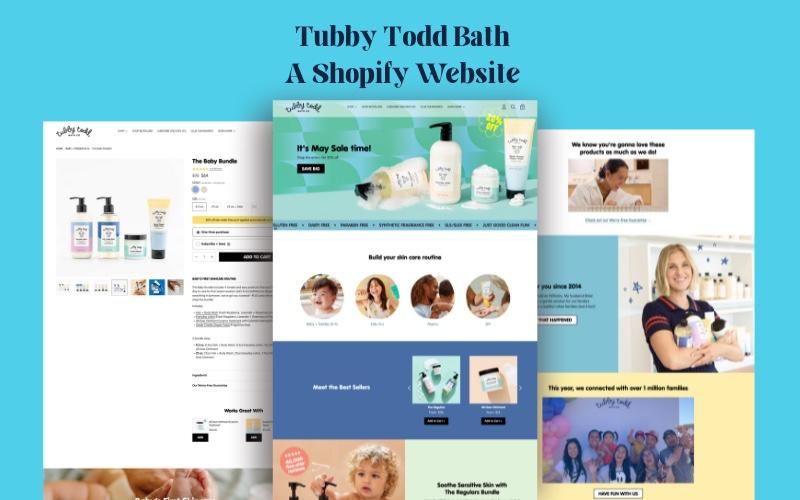
A storefront launch for the baby and family skincare range.
FAQ
Not if packing and admin take real hours each week. The first step is a short audit of what takes the time, and I only suggest automations that clearly pay back.
Yes. A common case is updating an order's status and expected date automatically at each production step, so customers get a message without someone writing it by hand.
That is a good fit. I set up a simple way to record market sales so Shopify stock updates, and add a low-stock alert so you stop discovering a sell-out after the fact.
Up one level
Also in New York
Next step
Thirty minutes. Bring one process that keeps breaking and we will map what it would take to automate it, whether or not you hire me.