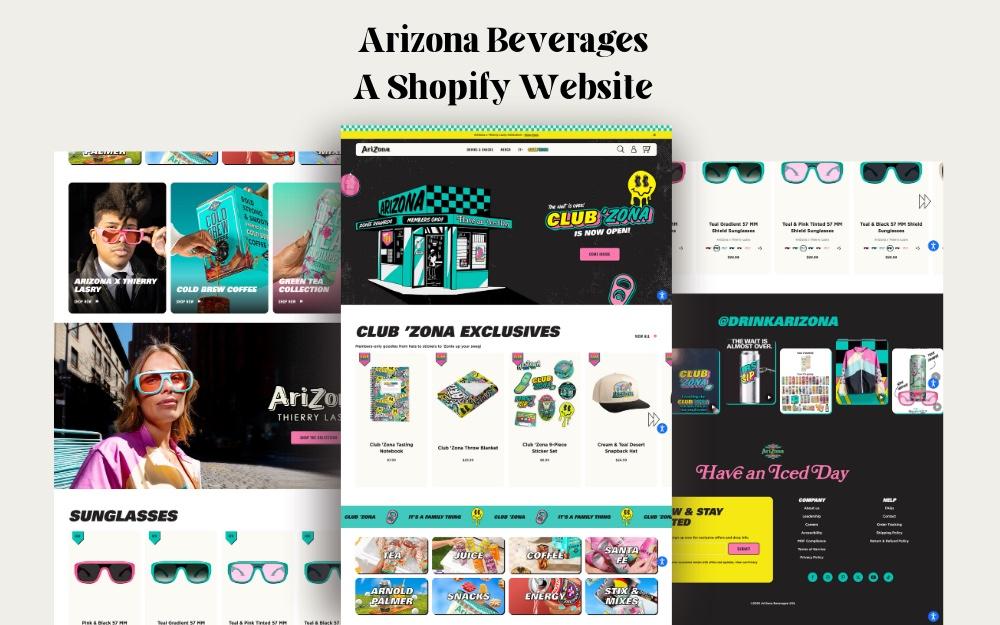
Arizona Beverage: doubling online sales
A storefront for the iced teas and fruit drinks, with one-click purchase and subscription plans on Shopify's native checkout. Reported: double the online sales.
State · Shopify automation
Shopify operations automation for New York brands that sell fast and ship from tight spaces.
Overview
New York brands tend to be built around a strong identity and a dense, competitive customer base, and they often run lean teams out of expensive space. I help New York Shopify brands remove the repetitive order, stock and reporting work so a small team can handle a bigger business without taking on more rent and headcount.
The New York market
New York combines enormous metropolitan demand with a business culture built around media, fashion, food and finance. Brands here compete for attention in the most advertised market in the country, which pushes them to launch collaborations, limited runs and pop-up retail alongside the online store. Storage and fulfilment space is expensive in and around the city, so many brands rely on third-party warehouses and keep very little stock on hand. That makes accurate, up-to-date inventory data between the store and the warehouse especially valuable.
Industries
Seasonal collections, size runs and a high return rate make exchanges and restocking the main recurring workload.
Brands often sell DTC, wholesale and to retailers at once, so stock across channels and case-pack orders need one clear record.
Merch drops tied to launches and events create short, intense order spikes with a tail of support questions.
Gift-heavy, seasonal buying with many bundles and registry-style orders that complicate fulfilment.
Subscription and one-off purchases mixed together, with compliance-sensitive product descriptions to keep consistent.
Higher-value orders, made-to-order lead times and shipping damage claims that need tracking from the first complaint.
What I automate
The same operations work, whichever market you sell from. Everything below ends up in production and is handed over with documentation.
Store, apps and 3PL kept in sync, with an alert when something does not match instead of a manual morning check.
One source of truth for stock and product data, so a change is made once rather than in every system.
The repetitive parts of returns and exchanges handled automatically, with people on the cases that need judgement.
The numbers your team opens Shopify for, delivered before the meeting rather than pulled during it.
Reading, classifying and filing records your team copies by hand, validated before they save.
Exception-based operations: the day starts with what broke, not a checklist of things that were fine.
Local considerations
Sales tax
New York charges a state sales tax and local taxes that vary by location, and many cities and counties add their own rates. Rules also differ by product category, and clothing and footwear are treated differently depending on price and place. Shopify can apply the right rate at checkout if tax settings and product categories are configured correctly, and I can set up reporting that makes this easy to review. Confirm current rates and exemptions with your accountant.
Time-zone overlap
New York is on Eastern time, so your morning is my evening. A 9 am Eastern call is roughly 6 to 7 pm for me depending on daylight saving, which gives the most natural overlap of any US market. I can usually join a standup or a same-day check-in without it being a stretch for either side.
Other things to plan for
General information only, not tax or legal advice. Confirm rates and rules with your accountant before acting on them.
Relevant work
Chosen for industry fit, not because the work was done in New York. I work remotely, and these are all work I shipped.

A storefront for the iced teas and fruit drinks, with one-click purchase and subscription plans on Shopify's native checkout. Reported: double the online sales.

A storefront launch for the baby and family skincare range.

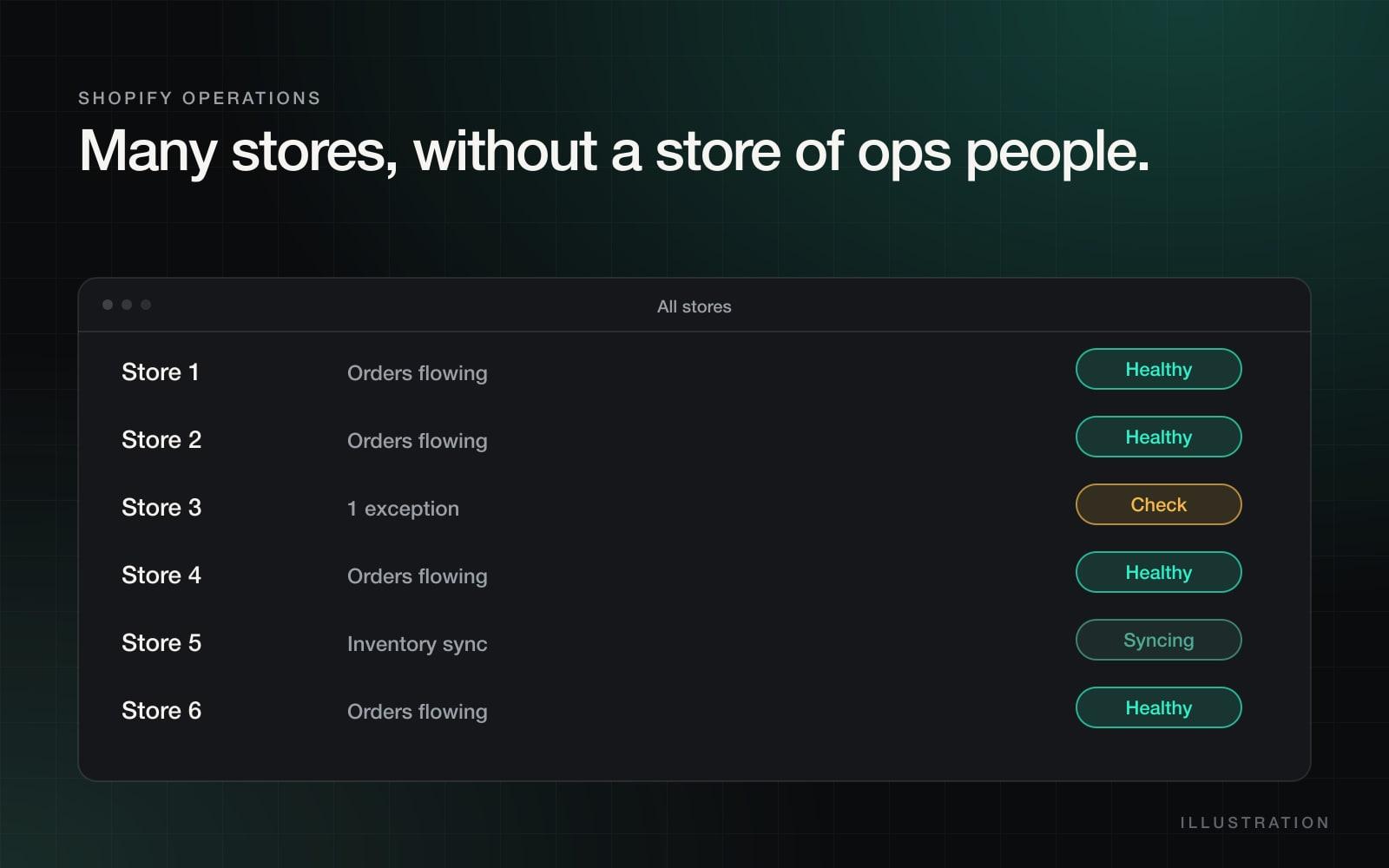
Automation and shared operating systems across a portfolio of Shopify stores and 40+ web properties, so adding a store does not mean adding headcount.
Process
I watch the work being done and write down every manual step, ranked by what it costs per month.
We pick the first step worth automating and agree a fixed price and date before any code is written.
It runs in production alongside the manual process until it has proved itself on real data.
Documentation, a walkthrough with your team and two weeks of close support.
FAQ
Yes, it is the easiest US overlap for me. I work from Pakistan, so your working morning is my early evening, and we can have a same-day call without either side compromising.
Yes. Many New York brands sell to retailers and direct, and the pain is usually in keeping one stock record across both. I connect the order sources to one view and add alerts when the numbers drift apart.
I focus on the repetitive work around returns: creating labels, updating stock when items arrive, issuing exchanges and flagging patterns by product or size. The aim is fewer hours of copy-and-paste per return.
I do not set tax policy, but I build around it. That means making sure the data your accountant needs is exported cleanly, and alerting you if orders appear with unexpected tax results.
Yes. Spikes expose the weak points quickly, so I look at the order path from checkout to warehouse and add monitoring, so a problem is caught within the hour instead of the next morning.
No. Several of my projects have been with small teams. A project starts with a short audit, so you can see the value before deciding how much to commit to.
Cities in New York
Next step
Thirty minutes. Bring one process that keeps breaking and we will map what it would take to automate it, whether or not you hire me.