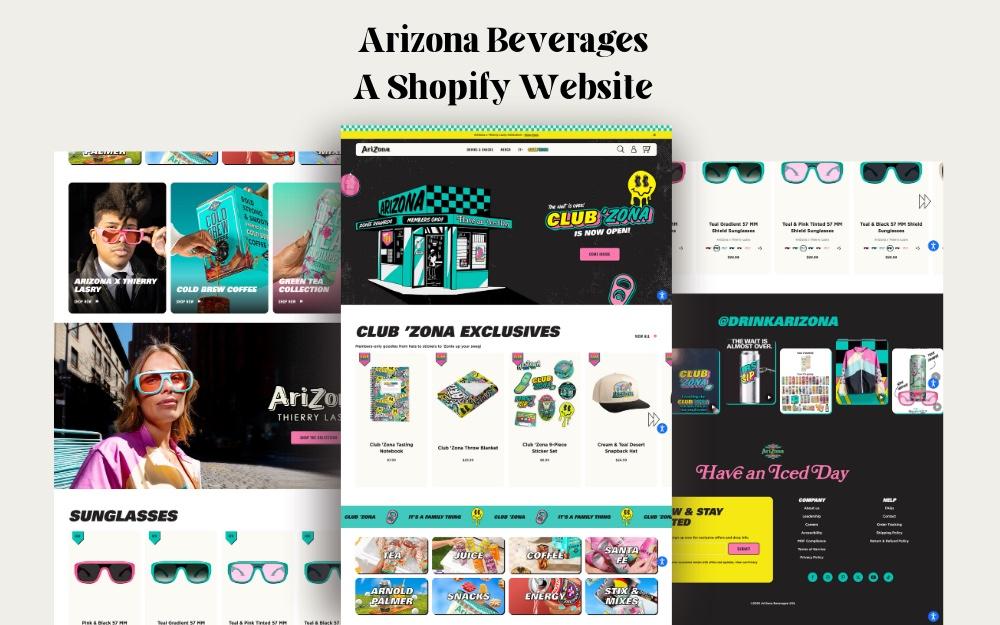
Arizona Beverage: doubling online sales
A storefront for the iced teas and fruit drinks, with one-click purchase and subscription plans on Shopify's native checkout. Reported: double the online sales.
City · Shopify automation
Shopify automation for New York City brands working with small teams and expensive space.
Overview
In New York City, space and payroll are costly, so brands try to do more with fewer people and keep stock at a third-party warehouse. I help Shopify teams in the city automate the orders, returns and reporting that otherwise take a person's whole week.
Brands in New York City
New York City is a base for fashion labels, media and publishing brands, food and beverage companies, and design-led consumer goods. Many have a showroom or small office but keep inventory in warehouses in New Jersey or elsewhere, so the physical stock is never where the team sits. That separation puts weight on accurate, timely data about what is available and what has shipped, and on clear handling of returns that arrive hundreds of miles from the team.
Industries
Seasonal collections, wholesale lines and returns that need quick restocking to be resold.
Event and launch-linked merch with spiky demand and gifts shipped to different addresses.
Direct, wholesale and gifting orders drawing from the same stock.
Higher-value, sometimes made-to-order items where shipping status and lead times need clear communication.
What I automate
The same operations work, whichever market you sell from. Everything below ends up in production and is handed over with documentation.
Store, apps and 3PL kept in sync, with an alert when something does not match instead of a manual morning check.
One source of truth for stock and product data, so a change is made once rather than in every system.
The repetitive parts of returns and exchanges handled automatically, with people on the cases that need judgement.
The numbers your team opens Shopify for, delivered before the meeting rather than pulled during it.
Reading, classifying and filing records your team copies by hand, validated before they save.
Exception-based operations: the day starts with what broke, not a checklist of things that were fine.
Relevant work
Chosen for industry fit, not because the work was done in New York City. I work remotely, and these are all work I shipped.

A storefront for the iced teas and fruit drinks, with one-click purchase and subscription plans on Shopify's native checkout. Reported: double the online sales.

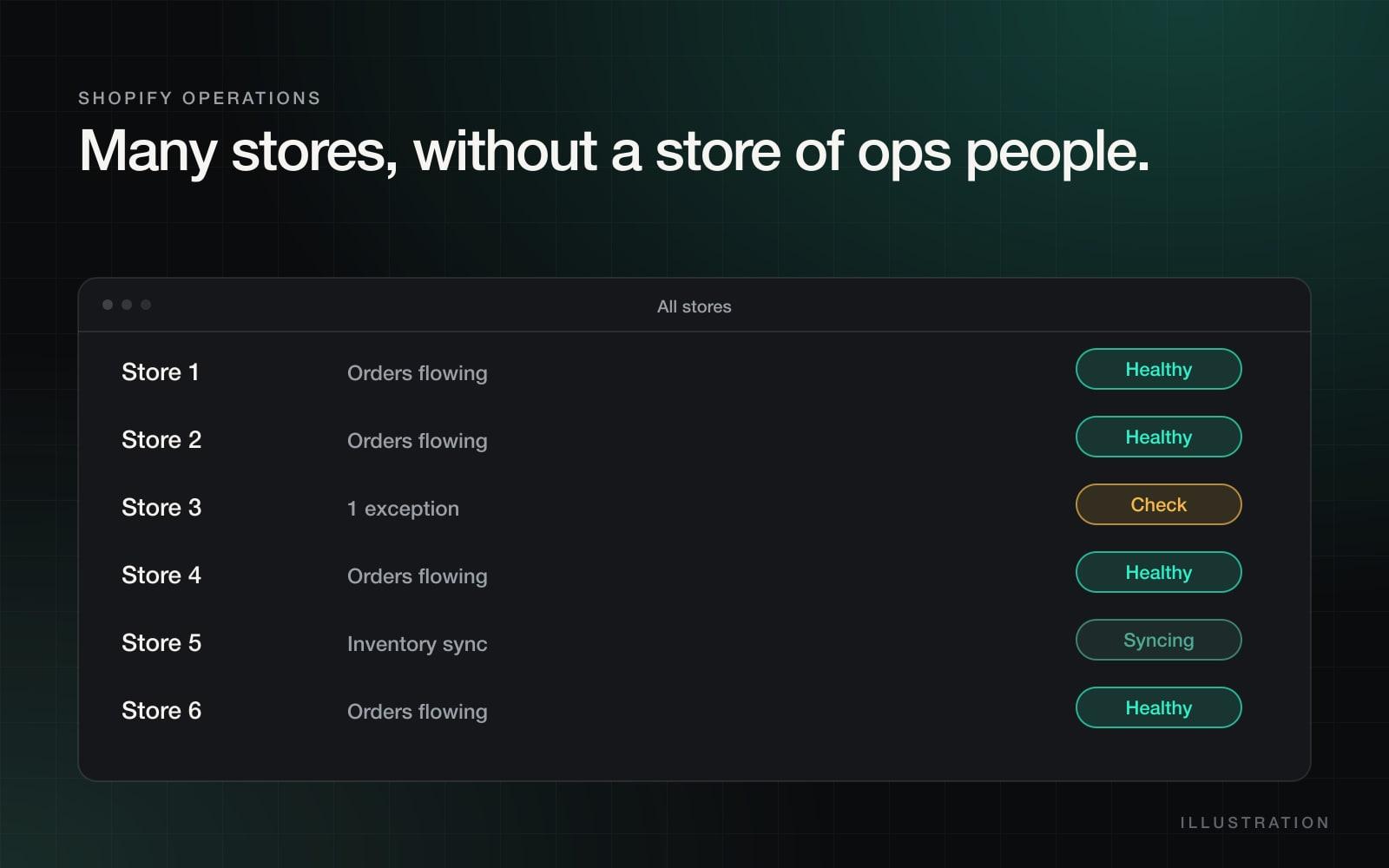
Automation and shared operating systems across a portfolio of Shopify stores and 40+ web properties, so adding a store does not mean adding headcount.
FAQ
It is the typical arrangement, and it makes data quality the main issue. I connect the warehouse feed to the store and flag when stock levels or shipments do not match, so the team in the city sees problems without calling the warehouse.
Yes. Gift orders and orders split across several addresses are a common source of errors, so I look at where the manual re-keying happens and automate or validate those steps.
Yes. Eastern time overlaps well with my evening in Pakistan, so most calls can happen in your working day without anyone staying up unusually late.
No. I work remotely from Pakistan and deal with clients directly, with documentation so your own team can run what I build.
Up one level
Also in New York
Next step
Thirty minutes. Bring one process that keeps breaking and we will map what it would take to automate it, whether or not you hire me.