Skip to content
Tayyab Hassan

State · Shopify automation

Shopify automation for Texas brands

Shopify automation for Texas brands that ship across a large state and a bigger country.

Overview

Texas brands often start with a loyal home market and then grow into national distribution, which adds channels, warehouses and carriers faster than processes keep up. I work with Texas Shopify brands to automate the order, inventory and reporting steps between the store and everything behind it, so growth does not rely on spreadsheets.

The Texas market

Texas has several large metropolitan areas rather than one centre, so brands tend to build a statewide customer base before they go national. The state has a strong food, beverage and consumer goods scene, a large retail and distribution sector, and a growing technology and startup community. Central warehousing and strong road and air links make it a practical place to ship from across the country. The same size also means distances: a brand can have customers, a warehouse and a team in cities hours apart.

Industries

Industries in Texas and where the manual work hides.

Food, sauces and beverage

Texas has a strong culture of local food and drink brands, where case-pack stock, wholesale orders and DTC all draw from the same inventory.

Outdoor, western and lifestyle goods

Seasonal peaks and gifting periods drive large order swings and a lot of manual picking and re-shipping.

Health, fitness and nutrition

Supplement and fitness brands need subscription handling and batch or expiry awareness.

Home, ranch and hardware supplies

Bulky, heavy or freight-shipped items need rate and carrier logic that standard checkouts do not handle well.

Technology and electronics accessories

Frequent product variants, replacement parts and warranty claims are the recurring support workload.

What I automate

What I automate for Texas.

The same operations work, whichever market you sell from. Everything below ends up in production and is handed over with documentation.

Orders and fulfilment

Store, apps and 3PL kept in sync, with an alert when something does not match instead of a manual morning check.

Inventory and catalogue

One source of truth for stock and product data, so a change is made once rather than in every system.

Returns and support triage

The repetitive parts of returns and exchanges handled automatically, with people on the cases that need judgement.

Reporting that arrives on its own

The numbers your team opens Shopify for, delivered before the meeting rather than pulled during it.

AI agents for the typing

Reading, classifying and filing records your team copies by hand, validated before they save.

Monitoring and alerting

Exception-based operations: the day starts with what broke, not a checklist of things that were fine.

Local considerations

What Texas brands need to get right.

Sales tax

Texas collects a state sales tax, and local jurisdictions can add their own on top, up to a combined cap. Rules differ for out-of-state sellers once they pass the state's economic nexus threshold, and food and some other categories have their own treatment. Shopify can calculate tax at checkout when configured correctly, and I can build reports that break out sales by destination for your accountant. Confirm current rates and thresholds with a qualified adviser.

Time-zone overlap

Most of Texas is on Central time, while far west Texas around El Paso uses Mountain time. I work from Pakistan, so a 9 am Central call is roughly 7 to 8 pm for me depending on daylight saving. That gives a workable late-afternoon overlap for Texas teams and a clear written handoff for the rest of the day.

Other things to plan for

  • Shipping distances inside the state are long, so carrier choice and delivery estimate accuracy have a direct effect on support volume.
  • Many Texas brands sell DTC, through regional grocers and online marketplaces together, so channel-by-channel inventory visibility matters.
  • Weather events can disrupt logistics for days, so exception alerts that tell the team early which orders are affected are valuable.

General information only, not tax or legal advice. Confirm rates and rules with your accountant before acting on them.

Relevant work

Case studies that fit Texas.

Chosen for industry fit, not because the work was done in Texas. I work remotely, and these are all work I shipped.

Shopify

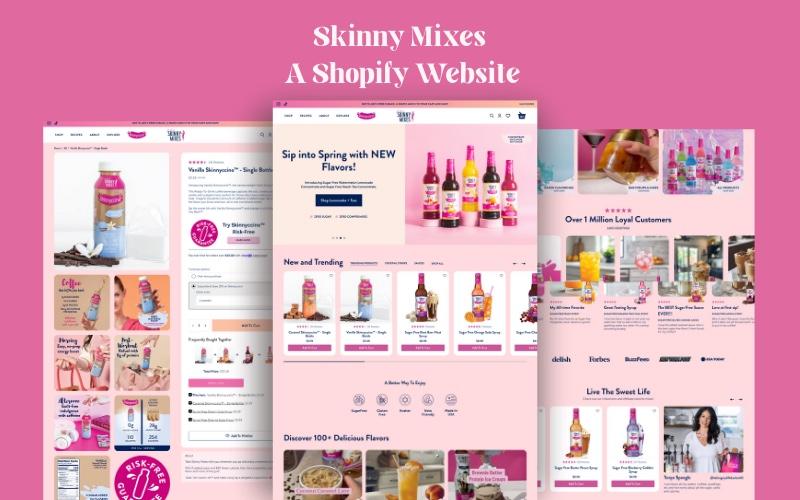
Skinny Mixes: tripling online sales

A storefront for low-calorie cocktail mixers and ready-to-drink spritzes, with one-click purchase and a Skinny Club subscription. Reported: triple the online sales.

3×Online salesSkinny ClubSubscription
Drink mixers · DTC beverage2025
Shopify

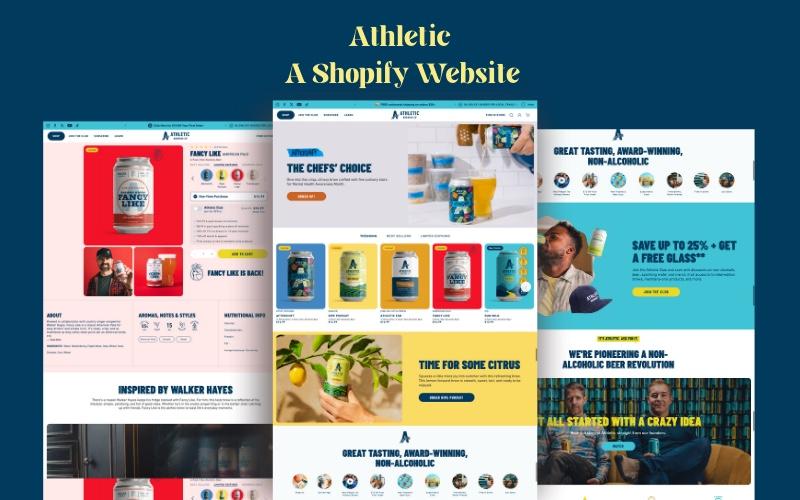
Athletic Brewing: doubling website sales

A storefront for craft non-alcoholic beers and sodas, built around discovery and subscription. Reported: double the website sales.

2×Website sales5.0Client rating
Non-alcoholic beer · DTC2025
Shopify

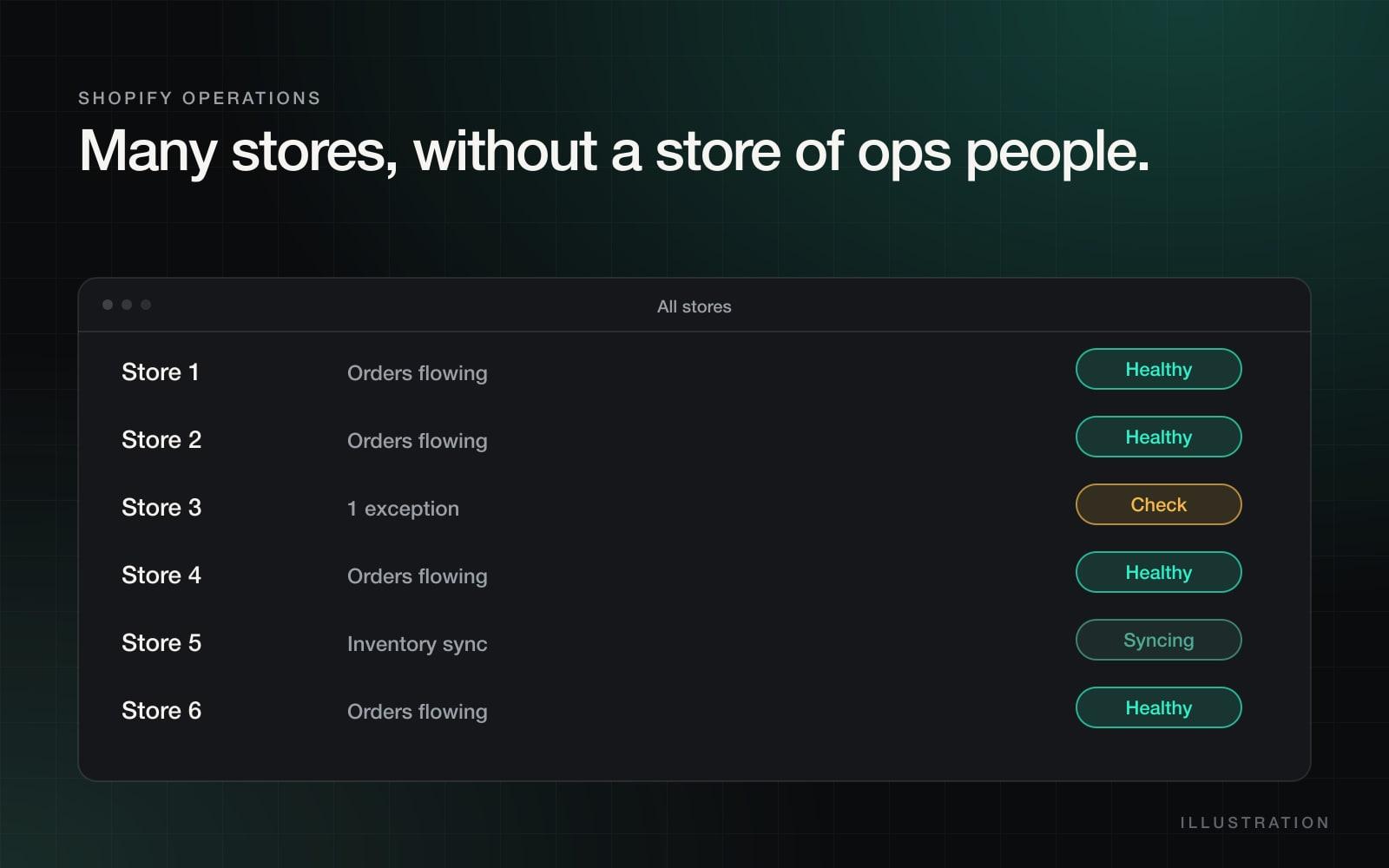
Running 17+ Shopify stores without 17 ops people

Automation and shared operating systems across a portfolio of Shopify stores and 40+ web properties, so adding a store does not mean adding headcount.

17+Shopify stores operated40+Web properties managed
E-commerce2025

Process

How a project runs, from first call to handover.

  1. 01

    Map

    I watch the work being done and write down every manual step, ranked by what it costs per month.

  2. 02

    Scope

    We pick the first step worth automating and agree a fixed price and date before any code is written.

  3. 03

    Ship

    It runs in production alongside the manual process until it has proved itself on real data.

  4. 04

    Hand over

    Documentation, a walkthrough with your team and two weeks of close support.

FAQ

Questions about Texas.

How do you handle the time difference with Texas?

I work from Pakistan, so I take calls in your afternoon and finish most written updates before your next day starts. For anything urgent, an alert reaches a named person on your side rather than waiting for me.

We sell through local grocers and online. Can one system cover both?

Yes. The usual fix is a single view of stock and orders from every channel, with alerts if the store, a distributor and the warehouse disagree. That is a common starting point for Texas food and beverage brands.

Does Texas sales tax change what you build?

It shapes the reporting more than the automation itself. I make sure orders carry the right location and product data so tax is calculated correctly, and that your accountant can see sales by destination.

Can you work with brands that ship heavy or freight items?

Yes, though it takes more thought. Freight needs quote, pickup and delivery steps that do not fit standard parcel flows, so I usually start by mapping the manual steps your team takes today.

What if our warehouse is in a different city from the team?

That is common in Texas. I connect the store to the warehouse data and add a daily exceptions report, so the team in one city can see what is stuck in another without making calls.

How long does a first project take?

Usually two to four weeks for the first automation, after a short audit. I start with one process rather than a full programme, so you can judge the value first.

Do you have an office in Texas?

No. I work remotely, you deal with me directly, and there is no account manager in between.
Next step

Let's find the manual work in your Texas store.

Thirty minutes. Bring one process that keeps breaking and we will map what it would take to automate it, whether or not you hire me.