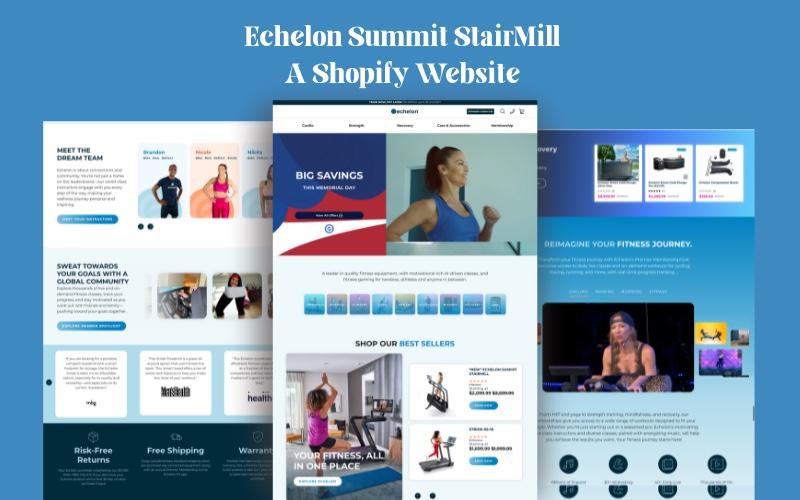
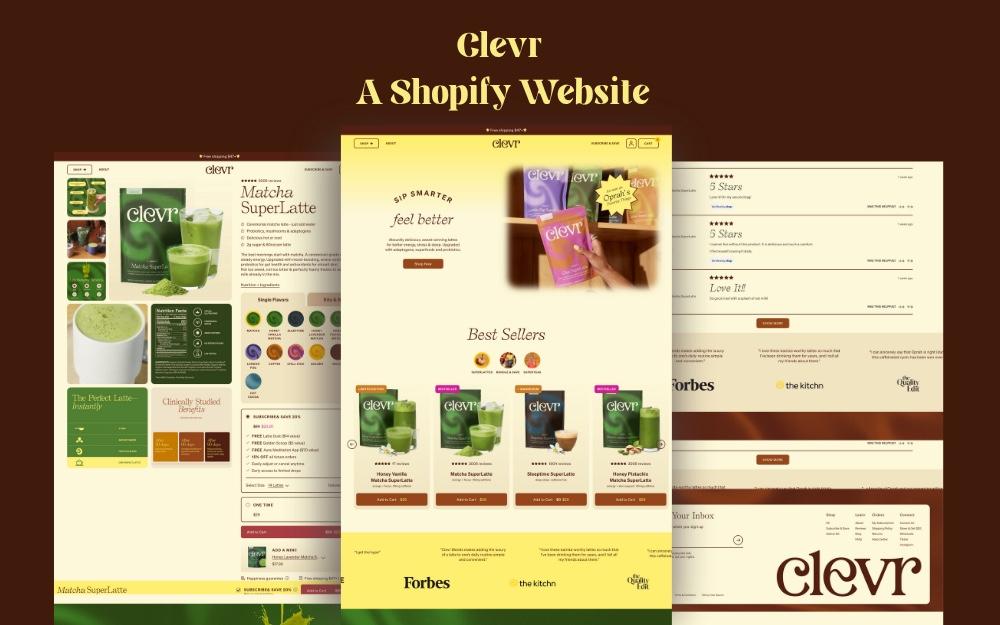
Clevr Blends: 3× website purchases
An e-commerce build for matcha, tea and coffee that handles one-time purchases and flexible subscription deliveries side by side. Reported: triple the website purchases.
State · Shopify automation
Operations automation for California Shopify brands, built remotely and handed over to your team.
Overview
California is where many direct-to-consumer brands are born, from wellness and beauty to fitness and fashion, and where growth tends to arrive faster than the back office can keep up. I work with Shopify brands like these to take the manual order, inventory and reporting work out of the day, so a launch week or a viral month does not mean hiring ops staff in a hurry.
The California market
California is home to one of the largest consumer markets in the country and a deep supply of founders, agencies and creative talent. The Ports of Los Angeles and Long Beach make it a natural base for brands that import product, and the Bay Area adds a strong tech and subscription culture. The result is a dense field of brands competing on brand and speed, many running several sales channels and several fulfilment partners at once. That complexity is exactly where manual reconciliation work builds up.
Industries
Launch-heavy catalogues, frequent bundles and influencer drops create spikes of orders, stock changes and promo-code exceptions to track.
Subscription-led brands need renewals, skips and failed payments handled cleanly, plus lot and expiry tracking when stock is perishable.
Hardware plus membership means two revenue streams in one store, and warranty, returns and shipping cases that do not fit a standard flow.
Size and colour variants multiply inventory lines, and returns volume makes exchange handling the biggest recurring manual task.
Seasonal flavours, case-pack inventory and wholesale alongside DTC call for one source of truth across channels.
What I automate
The same operations work, whichever market you sell from. Everything below ends up in production and is handed over with documentation.
Store, apps and 3PL kept in sync, with an alert when something does not match instead of a manual morning check.
One source of truth for stock and product data, so a change is made once rather than in every system.
The repetitive parts of returns and exchanges handled automatically, with people on the cases that need judgement.
The numbers your team opens Shopify for, delivered before the meeting rather than pulled during it.
Reading, classifying and filing records your team copies by hand, validated before they save.
Exception-based operations: the day starts with what broke, not a checklist of things that were fine.
Local considerations
Sales tax
California charges a statewide base sales tax and then layers local district taxes on top, so the total rate depends on where an order is delivered. Shopify can calculate this at checkout, but it is worth checking that tax settings, product tax categories and any exempt items are set up correctly. Remote sellers outside California can also owe collection once their sales into the state pass its economic nexus threshold. Confirm the current rules and thresholds with your accountant.
Time-zone overlap
California runs on Pacific time. I work from Pakistan, so your morning is my evening: a 9 am Pacific call lands at roughly 9 to 10 pm for me, depending on daylight saving. I plan around that deliberately, with calls in your morning and written updates you can read when your day starts.
Other things to plan for
General information only, not tax or legal advice. Confirm rates and rules with your accountant before acting on them.
Relevant work
Chosen for industry fit, not because the work was done in California. I work remotely, and these are all work I shipped.

An e-commerce build for matcha, tea and coffee that handles one-time purchases and flexible subscription deliveries side by side. Reported: triple the website purchases.

A storefront for connected home-gym equipment with model comparison, financing and FitPass membership tiers. Reported: triple the online revenue, memberships at 40% and 28% lower bounce.

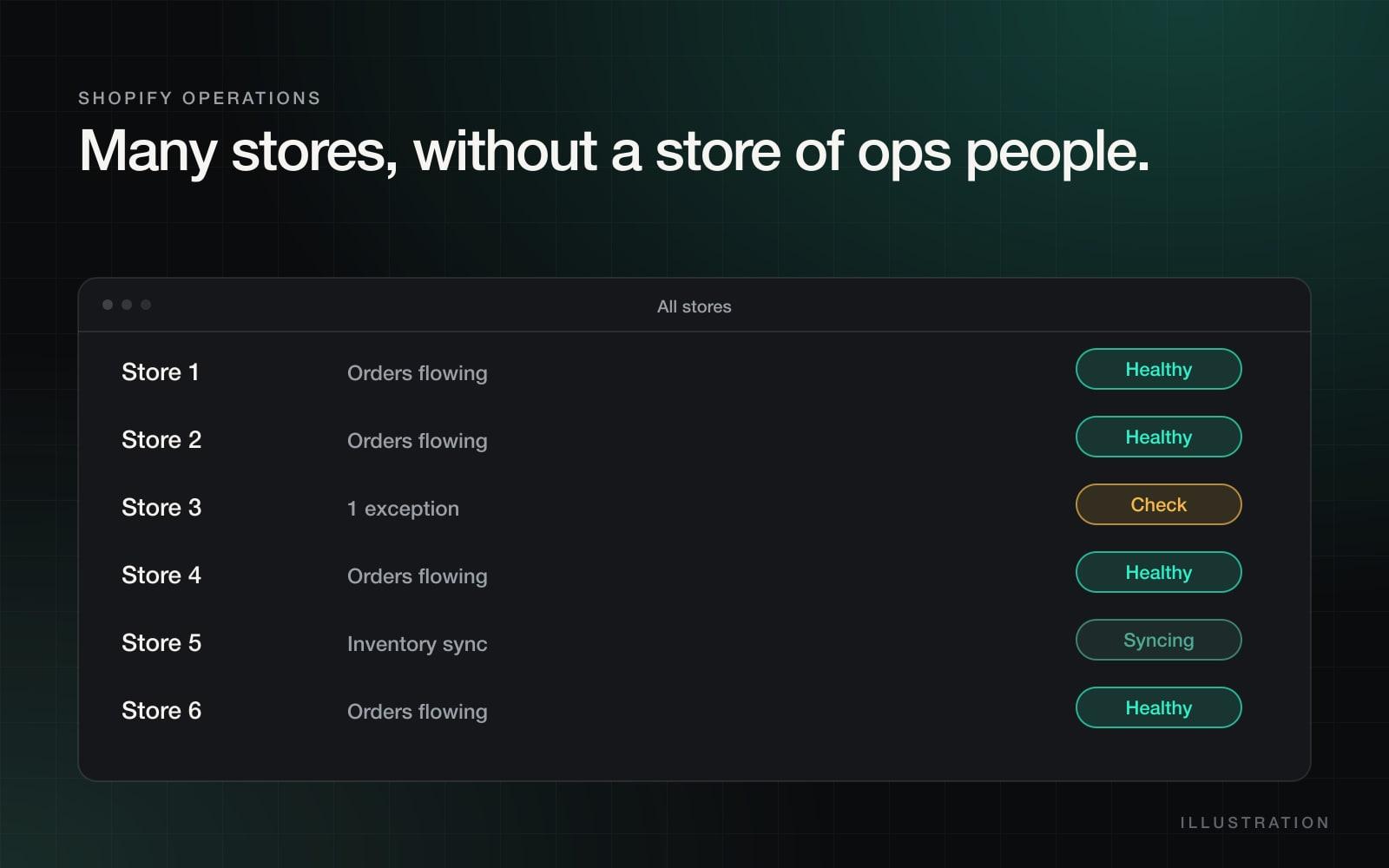
Automation and shared operating systems across a portfolio of Shopify stores and 40+ web properties, so adding a store does not mean adding headcount.
Process
I watch the work being done and write down every manual step, ranked by what it costs per month.
We pick the first step worth automating and agree a fixed price and date before any code is written.
It runs in production alongside the manual process until it has proved itself on real data.
Documentation, a walkthrough with your team and two weeks of close support.
FAQ
Yes. I work remotely with brands in California and plan my calls around your morning. Everything is written down and documented, so the work does not depend on being in the same room.
I do not give tax advice, but I do build the reporting and alerts around it. For example, a monthly summary of sales by destination, so your accountant can see where you may be approaching a threshold, and a check that tax is being applied on orders it should be.
That is one of the best cases for it. Drop weeks create order, stock and support spikes that a manual process cannot absorb, so I focus on the steps that break first: order routing, oversell protection and a live exceptions list for the team.
Yes. I connect to most 3PLs through their API or the file feeds they already provide, then add alerts when shipped, received or stocked quantities do not match what the store believes.
Yes. The work is usually around the edges of the subscription app: skipped and failed renewals, address changes, box swaps and the monthly reconciliation of what was billed against what shipped.
A short audit to map the manual steps and what they cost per month, then one automation built and running in parallel with your existing process. Most first projects take two to four weeks.
Cities in California
Next step
Thirty minutes. Bring one process that keeps breaking and we will map what it would take to automate it, whether or not you hire me.